Save The Planet Tote Bag Partial proceeds dontated to those not for profit groups that are dedicated to "Save The Planet"
Welcome To Save The Planet Video and Song
Two Teachers Team Up to 'Save The Planet'
Michael Droste and Jeffrey Walker, two teachers from Illinois, teamed up to write a song called"Save the Planet."The teachers are going to donate partial proceeds from the song to, "Those not for profit groups - dedicated to saving the planet." "We wanted a way to reach students, parents and everyone about this issue - and what better way than through a song," said Jeff. The song gives you easy, simple steps, that you can take to make the world a better place for you and everyone on the planet.
The song writing process is very time consuming, simply the distance between the two teachers was going to create problems for this creative project. Mike lives in the Chicago suburbs and Jeff lives outside Peoria. They spent hundreds of hours over many months to write, compose, record, mix and finally master the song. Both are very proud of the end result and feel that this is a way for those who want to do get involved and help fix the earth's problems that affect everyone.
"We wanted to emphasize points that every person on the planet can do, such as: water and energy conservation along with recycling plastics and paper," said Jeff. (This message is found in the middle of the song.) Mike stated, "We wanted to bring people's attention on how we have damaged the earth from dumping garbage in the oceans and cutting down the forests." But besides emphasizing the problems, the song was written by the duo to bring a message of hope and positive change. "By people of the world working together and getting involved - we can make the changes needed to clean up our home." "Songs are a very fun and yet strong way to get a message into people's minds through a melody that people don't forget," said Jeff. Included on the album are 2 versions of the song: both a pop version and an acoustic version. Also included on the album are: instrumental versions of the songs. "We want people to use and sing the song," said Mike. "The background tracks are there for people to use and sing at local events," said Jeff.
The duo hope to get their message of positive change out to the public. Here is a lyrical quote from the song: "...with everyone working together we can turn this thing around." Many who have heard the song, go away humming the melody about ways in which they can "Save the Planet."
If you are not familiar with Buy Local Day, it is a new movement in place to help reduce the strain on our environment by encouraging people to shop at their local Mom and Pop stores instead of with big retailers. These smaller stores consume much less energy and are generally much more earth friendly.
One of the main problems of big retailers is that they have to ship truckloads of goods across the country. By purchasing locally, you can help with the effort to greatly reduce fuel consumption across the nation. When you participate in a Buy Local Day, youíre helping your local economy as well as the environment.
The theory behind Buy Local Day is that too many small stores are getting pushed out by big retailers who have more purchasing power. It is too hard for many to resist the lure of extra low prices and local shops are the first to suffer. Unfortunately, local diversity and history also suffers when people stop visiting these stores. Even though they may have higher prices, these small shops are the link within a community.
When a big chain store moves into a town, the local economy may get an initial boost as more jobs are created. However, wages are usually lowered and even though more people are employed, business owners quickly go out of business when they canít compete against these powerhouse conglomerates. Links to your communityís past can be destroyed within a matter of months, never to rise again.
Entire states are beginning to take part in Buy Local Day and it is very easy to find an event in your area. If you would like to get involved, you can actually host your own Buy Local Day to give your community the jump start it needs. The process is actually quite simple and local businesses will be more than happy to help you promote the event, usually at no charge to you.
When you take part in a Buy Local Day, you are making a stand that you wonít tolerate the big business practices of these chain stores. Your voice does matter and if more people get interested in supporting their local businesses there is a greater chance that urban sprawl can be halted before it gets even worse. Protect your town and show these mega stores that buying locally is the answer by making a stand now.
The sooner more people get involved in a Buy Local Day event, the quicker large chains will get the message. Yes, we all love to save money, but are you prepared to pay the higher cost to the environment and to the economy of your town?
Recycling
The popularity of recycling has waned in some circles, but it is still more necessary than ever. Our landfills are clogged with materials that refuse to degrade and sooner or later weíre going to run out of space. Many states are using practices to reduce landfill material that greatly harm the environment, simply because there is nowhere else to put it. You can do your part to reduce landfill waste by following these simple steps.
1. Bring your own bag. Instead of getting plastic bags at the supermarket, bring your own cloth bag. Plastic bags never degrade and they present the number one problem at landfills all over the world. Millions of bags are clogging up landfills everywhere and the problem is getting worse every day. By using your own cloth bag you can do your part to help fix this problem. If you have too many groceries to fit in a small bag, request paper and then recycle it when youíre done.
2. Donít throw away old appliances. These may contain parts that are harmful to the environment and they also take up valuable space at landfills. You can actually make money by recycling your old appliances to parts dealers. Even old toasters can make you a few bucks.
3. If your home is being overrun with magazines, donít toss them in the trash. Many libraries and doctorís offices appreciate extra reading material. If you cannot find anyone to take your old periodicals, recycling them is very easy. Simply place them in the appropriate paper bin the next time your garbage is picked up.
4. Save plastic containers from your food to use for storage around the house. These containers are typically resistant to degrading and recycling them may not be possible. You would be amazed at the numerous uses you can find for a simple plastic jar. Put the kids crayons in one, or store your makeup in them. You can literally find thousands of uses for these plastic containers.
5. If you have old furniture lying around, donít throw it away. By recycling these items, you can actually help those who are less fortunate. Call up your local Goodwill store or even the Salvation Army. Many times theyíll even come and pick up the items, saving you time and effort. There is always a need for unwanted furniture. If it is in bad condition, try reupholstering it instead of throwing it away. You may be able to get several more years out it.
Recycling doesnít have to be difficult. The five tips above are simple and can be implemented with a minimum amount of hassle. Youíll be doing your part to help the environment and even other people in the process.
Green Home Improvement
If you are ready to make some changes to your home, it is a great time to learn how green home improvement can save you money and help save the planet. Many people are getting caught up in the home improvement craze, thanks to the prevalence of do it yourself programs and this is the perfect time to start implementing planet saving techniques in your own home. Here are some simple green home improvement projects that you can do on your own.
1. Install a programmable thermostat. According to the US Department of Energy you can experience significant energy savings by installing one of these special thermostats. If your current thermostat is old, it may not be accurate and you may be wasting money. You can save up to 10% on your home energy costs by relying on a programmable thermostat to keep your home at 65 degrees during the day and 60 degrees at night. It is easy to pay for the thermostat in less than a year thanks to the energy savings youíll enjoy.
2. Install a solar hot water heater. Our water heaters are some of the worst culprits when it comes to energy consumption. By installing a solar powered water heater, you can use of one of the best green home improvement techniques around. In fact, over a period of 10 years you can end up saving more than $3000 on energy costs. These heaters are actually quite easy to install and most people can do it over a weekend.
3. Install awnings. This is an incredibly simply green home improvement project but it can block up to 65% of the heat produced by the sun beating down on your house. Youíll be able to run your air conditioning much less after you install awnings. It is a good idea to focus these awnings primarily on southern exposure windows, since they receive the bulk of the sunís rays.
4. Replace your furnace. If your home has an old furnace, you are throwing money away every winter. Tackle this green home improvement project over a weekend or have a professional install a new unit for you. Newer furnaces operate at about 97% efficiency and use much less fuel so youíll be saving even more money. With the rising cost of home heating oil and propane, this can be very significant. If you have electric heat, you can still save a bundle on your electric bill every month.
5. Replace the weather stripping on outside doors. This is a very simple green home improvement project that just about anyone can do. The weather stripping on doors tends to wear over time. It is very easy to replace, and can save you up to 10% on your home energy bills every year.
Energy Conservation
Even though our parents always yelled at us to turn out that light, itís easy to fall into a pattern of wasteful energy use. Whether you leave the light on when youíre not in the room or you run your computer constantly, itís very easy to waste energy. Thankfully, energy conservation is just as simple and with a few steps, you can easily begin doing your part to save the planet.
The first thing you will need to do is develop a good habit of making sure to always turn off the lights when you leave a room. Place a note on the switch that will catch your eye as you go by. After a couple of days, you will have completely retrained yourself. This is a very simple step that can even save you money on your electric bills.
Next, you can change the way you heat or cool your home. In winter, set your thermostat at around 68 degrees. Even though it may seem a little chilly, youíll be saving 5% for every degree that you turn your thermostat down. It doesnít cost a thing to put on a sweater. In summer, try to reduce the amount of time that you run your air conditioner. Run it only during off peak hours to save even more money. You can also utilize weather sealing and better insulation practices to aid your energy conservation efforts all year round.
You can also purchase special drapes or curtains that have a backing that keeps out heat and cold. This simple step can be very effective in keeping your home cool in summer and warm in winter. Check your home for any drafts and have them repaired to increase your energy conservation.
Energy Star appliances are also an important step towards good energy conservation techniques. These newer appliances use much less energy to operate and can end up saving you an extra $400 a year on your power bill. These appliances are much more efficient and will end up saving you money over time. There are also Energy Star light bulbs that you can buy if you donít have the money to replace all of your appliances just yet. Every little bit helps when it comes to energy conservation and many states have programs in place to help you save money on these new appliances.
One simple tip involves your refrigerator and freezer. Most people keep both way too cold. You can move up your dial one position and save a lot of money every month. If you are uncertain about the right setting, keep in mind that your refrigerator should be set to 40 degrees and the freezer needs to 5 degrees. Any setting colder than that is just a wasteful use of energy.
Energy Star Appliances
If you still have old appliances lurking around your home, you may be surprised to find out just how inefficient they really are. By taking the time and expense to replace this old appliances you can save a significant amount of money each month. On the plus side, youíll also be doing your part to save our most precious natural resource, the earth.
Energy Star appliances that have been certified can reduce your overall energy expenses every single month. With the average household using more than $2000 in energy every year, a simple switch can mean a big savings. By updating your kitchen, you can actually end up saving money in the long term. It is estimated that the average home can save up to $400 every single year on their power bill by replacing their outdated appliances with new Energy Star appliances.
In order to be classified as an Energy Star appliance, the unit must use 10 to 50% less energy than an old model and they must perform their task significantly better. This has resulted in new refrigerators costing less than an old toaster to operate. In addition, if just one home in ten made the switch to these newer models, it would produce the equivalent of 1.7 million trees in energy savings. This is far too much to be ignored.
There are numerous different kinds of Energy Star appliances for nearly every room in your home. You can easily find these new models at appliance stores every where and there may even be incentives in your state to make the switch. You can find refrigerators, dish washers, clothes washers and dryers, dehumidifiers and even air conditioning units. If you think about how much you use your air conditioning in the summer, this can present a very large savings for your home.
You can also find Energy Star appliances for your office. Numerous companies are now producing more efficient computers, monitors and printers that cost much less to run. These models will commonly go into a ìsleepî mode when they are not in use to reduce their drain on power even further. This allows them to use nearly 75% less electricity than older models.
Some of the latest advances in Energy Star appliances include lighting fixtures that use special bulbs. These new bulbs are manufactured to turn more useable energy into light and they cost a great deal less to operate. In fact, they are more efficient than fluorescent and halogen lighting options. Several states have instituted savings programs for homes that purchase these new bulbs. You can get special coupons to use at your neighborhood store that help reduce the overall cost of switching over. On the plus side, even those these bulbs are more expensive, they usually last much longer than their counterparts.
Green Climate Change
Even though many people still argue about global warming, one fact is clear. Temperatures all over the world are heating up and climate change is upon us whether we believe it or not. In order to start making progress in green climate change, each one of us needs to take responsibility and do our part to make a difference.
It is actually quite easy to start a green climate change program in your home. The smallest steps you take can have a big impact on the environment and can actually save you money every year on energy costs. By reducing your reliance on fossil fuels, you are doing your part to institute green climate change as painlessly as possible.
First, letís focus on your car. If you donít have a fuel efficient vehicle it is definitely time to think about making an upgrade. Newer models usually get at least 30 mpg, and hybrid cars perform even better. As gas prices continue to go up, it only makes sense to get the most fuel efficient vehicle you can. If you have to drive a large truck or SUV, you can do your part by limiting your driving and employing smart fuel conservation tactics.
Next, weíll move on to your home. One of the best ways to save money and reduce your reliance on fuel is to properly winterize your home. Take the time to replace the weather stripping around your doors and seal your windows with window kits in the fall. Youíll be enacting green climate change in just a few steps. You can reduce your home heating costs by 10% simply by having good weather stripping on your doors.
If you have an antiquated furnace powered by heating oil or propane, now is definitely the time to replace it. New models operate at 97% efficiency and can greatly reduce the amount of fuel needed to operate them each month. Old furnaces are the most common culprit when it comes to wasting energy and you can more than make up the price of a new model simply by what youíll save in fuel costs.
You can also enact green climate change in little ways around your home. Turn the lights off when you leave the room and take quicker showers. Some of the simplest water preservation techniques can save the average family 11,000 gallons of water every month. If you install a solar powered hot water heater, you can make an even bigger difference in your home.
When you shop, use a cloth bag or request paper sacks to recycle instead of using plastic. Those nasty bags take up the majority of landfill space throughout the world and are quickly becoming the number one problem in green climate change.
Green Restaurants
As more companies begin to do their part to save the environment, the food service industry is taking notice. The advent of green restaurants has promised that big changes are in store and that change is beginning to happen. When you eat at one of these special restaurants you are doing your part to save the environment and you are making your voice heard.
If you are not familiar with how the certification process for a green restaurant works, there are a number of guidelines that must be followed. First, the company must use energy efficient appliances, lighting, heating, and transportation techniques. By switching over to Energy Star appliances and utilizing proven energy conservation techniques, restaurants can actually save money while complying with these regulations.
Next, a green restaurant must pass a water efficiency and conservation test. They will be encouraged to use techniques throughout the restaurant that will save water and increase the efficiency of current practices. Recycling is also required, either through composting or by hiring a recycling service.
A green restaurant must also use sustainable food. This means using locally grown and organic foods. This is encouraged because traditional food growing practices present a major problem to the environment through the use of chemicals, pesticides, erosion and water waste. By purchasing their food locally, a restaurant can reduce the amount of transportation pollution.
Green restaurants must also use recyclable products, chlorine-free paper and non-toxic cleaning products. By using containers that are made of post-consumer material, these businesses can greatly reduce the amount of material in landfills. Chlorine free paper products are made with non-bleached paper since the typical bleaching process is very damaging to the environment.
The use of green power is also required for a green restaurant. This means utilizing solar, wind or alternative means of power for every day operations. By relying on power developed from these means, there is significant less air pollution and their energy costs will also go down.
The exterior of a green restaurant is not overlooked either. The structure must be made using green construction practices that do not harm the environment. Green design is also encouraged. Lastly, these restaurants must show their commitment to change by educating their employees on green environmental practices.
Signs are usually provided by the Green Restaurant Association as well as pamphlets that can be used to help the staff understand what is being done. The signs can be displayed in different areas of the restaurant and are typically used as reminders for staff that regulations must be followed in order for the restaurant to maintain their green status. Itís not easy for a restaurant to earn this certification, but it proves just how committed they are to the environment and to making a difference in our world.
Water Conservation Tips
If you want to do your part to save the planet, one of the best places you can start is by using good water conservation habits. The worldís fresh water supply is depleted every year and the chances of running out of potable water within the next 30 years are very likely. Here are some tips to help you start practicing water conservation right now.
1. The most obvious place to start is your lawn. Try to cut down on how often you water your lawn and if you must do so, only water at cool times of the day. This can increase your water conservation efforts by up to 300 gallons of water every day.
2. Next letís move inside. Check your toilets and faucets for any leaks. Even a small leak can use up to 20 gallons of water per day. Toilets are usually the worst offenders and can waste up to 400 gallons of water every month. Itís a good idea to place a brick or even a container of rocks in the toilet tank. This reduces the amount of water stored in the tank and can save the average family nearly 300 gallons each month.
3. If you have a dishwasher, you can save a lot of water by washing your dishes by hand. Just remember to turn the water off in between dishes. You can also use less dish soap which can help you save up to 150 gallons every month. If you must use your dishwasher, make sure you set it to the shortest wash possible to increase your water conservation.
4. When brushing your teeth, turn off the water when youíre not using it. It sounds overly simple, but will actually save 150 gallons every month. You can also save extra water in the bathroom by collecting water in a jug when you run your shower or bath water. Instead of wasting all that water waiting for it to get hot, youíll be able to use it on your plants. You can save around 300 gallons each month by using this water conservation technique.
5. Use a broom to clean your driveway instead of a hose. While it may be a little more time consuming, you can end up saving up to 600 gallons every single month.
These five tips when combined can help you save over 11,000 gallons each and every single month. Now that is some serious water conservation. If every household in America employed these five simple and painless techniques, the amount of water saved every year would be staggering. Take a look around your house to see what other water conservation techniques you can employ to save even more. Donít wait to begin saving water; each drop will be incredibly precious in our future.
Car Sharing Services
One problem facing many commuters is that it is simply too hard to reduce their reliance on fossil fuels. Youíve got to get to work and it isnít always easy to find others who are willing to carpool with you. If you are serious to making a commitment to save the planet, you should investigate car sharing services to see if they are right for you.
There are numerous different car sharing services that are available in many major cities. Flexcar is a national organization that helps people take advantage of car sharing services throughout the United States. Currently, they serve Atlanta, San Francisco, Columbus, Washington DC, Baltimore, Gainesville, Philadelphia, Pittsburgh, San Diego, Los Angeles, Milwaukee, Portland, Seattle,and Phoenix.
If you are not familiar with how car sharing services work, it is actually quite simple. When you need to use a car, you reserve one online or by phone. In the areas served by Flexcar, most cars are usually within five minutes of most locations. At the designated time, you get your car, drive to your appointment or job and then return it to the proper parking space when you are done. You get 150 free miles but you will need to pay an hourly rate to use the service.
Although this may seem a little counterproductive, it is much cheaper than owning your own car. The average American spends at least $700 a month on their car, insurance, parking and gas. Even if you need a Flexcar for 50 hours a month, you can still save over $300.
The added benefit of using car sharing services is that you donít have to worry about upkeep. Trying to maintain a car can be expensive and time consuming. Imagine never having to change your oil or spend hours with your car in the shop again. In addition, most Flexcars have their own designated parking spot, so you never have to worry about paying for parking again.
Most car sharing services use vehicles that are emissions friendly and provide excellent gas mileage. This cuts down on fuel consumption as well as pollution. The vehicles are very earth friendly and some companies, like Flexcar, even participate in tree planting projects that make their cars 100% carbon neutral.
The goal of car sharing services is to reduce the number of cars on the road. If you just need a car to run errands, or if you live in a city and having a car is cost prohibitive, these services are essential. When you combine the amount of savings you can experience and the benefit to the planet, these car sharing services are well worth the money. You can easily do your part and still reap some terrific benefits.
Green Restaurants
Green restaurants are companies that have passed a rigorous examination to determine whether or not they are complying with good environmental practices. The certification process is extremely difficult and only restaurants that meet or exceed the requirements of the Green Restaurant Association will be accepted into the program. Once they attain their certification, certain steps must be taken to ensure that the company continues to operate in a green manner.
This means that the products purchased by a green restaurant must conform to certain guidelines. It is beneficial for consumers to know what kind of products these restaurants must use in order to maintain their status. The GRA has released a list of different products that meet their qualifications for use in a green restaurant.
One of the most common problems for green restaurants are take out containers. Customers may want to be able to take extra food home with them, but these containers take up a lot of landfill space and are generally not degradable. In order to circumvent this problem, the GRA recommends that the containers be purchased from Fold-Pak, a company that specializes in the creation of biodegradable containers that are made from 100% recycled materials.
Paper products are also another big issue for green restaurants. The GRA recommends purchasing them from the Cascades Tissue Group a company that produces numerous different kinds of napkins for the food service industry. These napkins are all made of 100% recycled material and have the added benefit of being chlorine free. This company also manufactures bathroom tissues, facial tissues and many other paper products that can be used in a green restaurant.
The number one problem in landfills today is plastic bags. These bags never degrade and although they are small and crushable, they still account for the majority of space used by landfills. In keeping with smart environmental practices, the GRA recommends that green restaurants use bags made by the Duro Bag Mfg Company. These bags are made from 100% recycled material and they are processed chemical free.
Even regular items like sinks, sprayers and steam cookers can be earth friendly. Green restaurants can find recommendations from the GRA on special sinks that use much less water and feature solar powered water heaters. In addition, they provide information on steamers that can reduce the amount of cooking time by 72%, presenting a significant energy savings.
Although it isn’t easy for a green restaurant to maintain their certification, it can be done. You can also rest assured knowing that the products you are using from that restaurant are safe for the environment and for your use. If you are committed to doing your part to save the planet, try to frequent more green restaurants to show your support. They need your business!
Try These Recycling Tips - Then just keep it going :) Many thanx to those that have emailed in ideas and tips.
General: • DO recycle old furniture, clothes, kitchen gear, bedding, books, and music. They are always wanted by the Good Will and the Salvation Army. (plus you get a tax deduction in the U.S.) • DO Recycle plastics, paper and rubber according to your town's recycling program.
Reuse Plastic Bags: • Use them for drainage in the bottom of plant pots or hanging baskets. • Use them as packaging material. • Use them as 'doggy bags'. • Most supermarkets will take and recycle plastic bags.
Recycle Paper: • Buy a blue recycling bin (or bags) and throw all unwanted paper or cardboard into it. Most major cities in the U.S. will pick it up and recycle. • Use wrapping paper, bows, ribbons, and boxes for presents. • Use old children's drawings and paintings to wrap presents. • Use old envelopes can be used for shopping lists, to-do lists, and notes. • Use old calendars, colorful pictures, etc. can be used to make your own envelopes. • Give old magazines, book to friends.
Recycling Ideas for the Home Garden: • Use aluminium trays from pies under potted plants. • Use egg cartons, plastic bottles, or take out containers for planting seedlings. • Lawn clippings can be used to cover weeds. • Use plastic ice cream containers for seed labels. • Use plastic bottles to hold tools and nails etc in the shed.
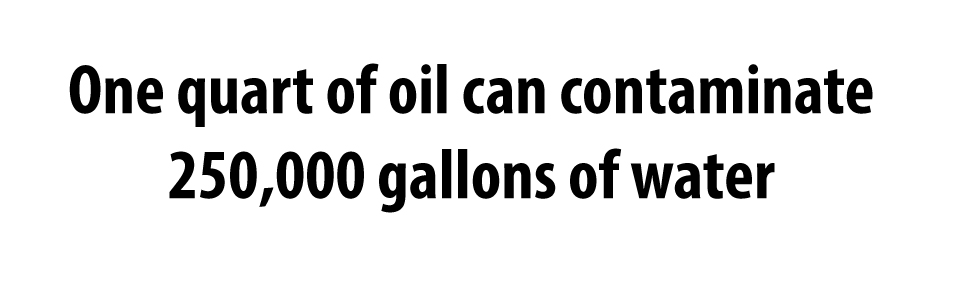
Water Conservation Tips • Water your lawn only when it needs it OR not at all. Set your sprinklers for more days in between watering. Think about converting your lawn to native plants. • Fix leaky faucets and plumbing joints. • Don't run the hose while washing your car. • Install water-saving shower heads or flow restrictors. • Run only full loads in the washing machine and dishwasher. • Shorten your showers. • Use a broom instead of a hose to clean driveways and sidewalks. • Don't water the sidewalks, driveway or gutter. Adjust your sprinklers so that water lands on your lawn or garden where it belongs--and only there. • Turn off the water while brushing your teeth. • Turn off the water while shaving. • Keep a bottle of drinking water in the refrigerator. • Don't defrost frozen foods with running water. • Don't let the faucet run while you clean vegetables. Rinse them in a filled sink or pan. • Use the garbage disposal less and use garbage can more. • Put a layer of mulch around trees and plants. • Water during the cool parts of the day. • Dispose of hazardous materials properly. One quart of oil can contaminate 250,000 gallons of water.
Interesting Facts: • 1 lb of hamburger or steak uses some 2,600 gallons of water. • Producing 1 lb of bread requires 500 gallons of water. • Producing 1 serving (8 oz.) of chicken requires 330 gallons of water. • Growing one cotton T-shirt requires 256 gallons of water. • Producing 1 egg requires over 100 gallons of water. • Producing 1 serving (8 fl. oz.) of milk requires 48 gallons of water. • Producing 1 serving (2 oz.) of pasta requires 36 gallons of water. • Producing 1 serving (4.6 oz.) of oranges requires 14 gallons of water. • Producing 1 serving (4.3 oz.) of tomatoes requires 8 gallons of water. • American Thanksgiving dinner for six people requires over 30,000 gallons of water.
Home Energy Tips
Interesting Facts: • The average house uses about 38 percent of its total annual energy use on heating. • Install a central air conditioning system only when whole house air conditioning is needed. • Replace aging appliances with newer energy efficient models.
Heating: • Set your home thermostat as low as comfortable (65 to 68 degrees F is suggested) when the house is occupied. • Set back the thermostat by as much as 10 F at night or when the house is unoccupied during the day. • Install a programmable thermostat to automatically provide the setbacks mentioned above. • Close the fireplace damper ñ except during fireplace use. • Replace furnace filters once a month during the heating season. • Remove any obstructions and clean heating registers regularly. • Have certified maintenance personnel service and check your furnace regularly ñ every three years for gas fired furnaces. • Caulk and weatherstrip doors and windows. • Upgrade ceiling insulation to R-38 • Install storm windows over single pane windows. • Replace aging furnace, when needed, with an energy efficient model. • Replace single pane windows with energy efficient double pane windows mounted in non-conducting window frames.
Hot Water: • Repair leaky faucets. • Reduce the temperature setting of your water heater to warm (120 F). • Add an insulating blanket to your water heater. • Install low-flow showerheads. • Wash clothes in warm or cold water using the appropriate water level setting for the load. • Replace water heater, when needed, with an energy efficient model.
Cooling: • Open windows at night to bring in cool night air; close them during the day. • Shade west facing windows. • Draw cool night air into the house with a whole house fan. • Use room air conditioning only where needed and install energy efficient models. • Install a central system air conditioner only when whole house air conditioning is needed. • Maintain an air conditioned house at 78 F or higher. • Plant deciduous shade trees on the west and south sides of your house.
Major Appliances: • Maintain refrigerator at 37 to 40 F and freezer section at 5 F. • Maintain stand alone freezer at 0 F. • Choose a refrigerator/freezer with automatic moisture control. • Use toaster oven for cooking small meals. • Adjust the flame on gas cooking appliances so itís blue, not yellow. • Run the dishwasher only with a full load of dishes. • Regularly clean the lint filter on your dryer and inspect the dryer vent to ensure it is not blocked. • Replace aging major appliances, TVs and VCRs when needed, with energy efficient models. Compare the annual energy consumption and operating cost for each appliance by looking at the Energy Guide label when shopping for new appliances.
Lighting: • Turn off lights when not in use. • Use task lighting whenever possible instead of brightly lighting an entire room. • Install compact fluorescent lamps in the fixtures which receive high use.
The following are interesting discussion topics and/or concerns for those who consider the earth friendly processes and products. Green Insulation Carbon Neutral Everything Buy Local Day Green Home Improvement Green Employment Wave and Tidal Power Colleges Taking Eco-Action Commuter Scooters Pellet Stoves Solar Chargers Killer Kitchen Designs Green Restaurants Domestic Composters Carpets and Rugs Solar at Home Eco Laundry Car Sharing Services Eco Travel Info & Resources Grow Your Own Food Indoor Air Pollution Organic Food Compact Fluorescent Lightbulbs Organic Cotton Electric Cars Hybrid Cars Ethanol Compost Biodiesel Global Warming Solar Bamboo Insulation Chocolate Wind Bicycle Green Your Book Green Your Gardening How to Go Green Green Your Outdoor Sports Green Kids' Toys Green Your Community Green Your Wedding Green Your Electronics Green Your Pet Green Your Coffee & Tea Green Your Dishwasher Green Your Recycling Green Your Cleaning Green Your Furniture Green Your Work Green Your Water Green Your Gifts Green Your Lighting Green Your Electricity Green Your Car Green Your Wardrobe Green Your Heating Green Your Meals Green Your Public Transportation Air Quality Water Quality Renewable Energy Climate
Some Groups and organizations to consider.
Brazil IBAMA
Canada Environment Canada Lake Ontario Waterkeeper Friends of the Earth Canada
Isle of Man Manx National Trust
New Zealand Department of Conservation Ministry for the Environment Parliamentary Commissioner for the Environment
United Kingdom Campaign to Protect Rural England Friends of the Earth The Wildlife Trusts Association for Environment Conscious Building
England English Heritage Natural England Environment Agency (England & Wales)
United States United States Environmental Protection Agency United States Fish and Wildlife Service
Native American Nations Inter-Tribal Environmental Council All US states have fish and game departments that regulate local hunting and other taking of wild animals.
Private Organizations (Environmental NGOs) These organizations are involved in lobbying, advocacy, or conservation efforts:
International African Wild Dog Conservancy Aga Khan Trust for Culture Bellona Foundation Biofuelwatch BirdLife International Center for International Environmental Law Conservation Foundation Conservation International Conservation Law Foundation Earth Charter Initiative Earth First! Network (ELPSN) Earth Policy Institute Environmental Law Foundation Environmental Investigation Agency Environmental Youth Alliance FERN Forest Stewardship Council Friends of Nature Friends of the Earth Gaia Mater (the mother Earth) Global Water Policy Project Global Witness Great Transition Initiative Green Cross International GreenEnergyTV.com Greenpeace International Analog Forestry Network International Center of Studies for Preservation and Restoration of Cultural Heritage (ICCROM) International Council on Monuments and Sites - ICOMOS International Institute for Sustainable Development NatureServe Nicodemus Wilderness Project Regenesis - the Global Movement for Environment Sustainability, Liberty & Social Justice Tellus Institute The Nature Conservancy Stockholm Environment Institute (SEI) Wetlands International Whale and Dolphin Conservation Society World Business Council for Sustainable Development Worldchanging World Conservation Union (IUCN) World Resources Institute (WRI) Worldwatch Institute World Wide Fund for Nature Xerces Society Yellowstone to Yukon Conservation Initiative
Africa African American Environmentalist Association African Conservation Foundation Environmental Foundation for Africa
Europe
European Biomass Association European Environmental Bureau (EEB) Regional Environmental Center for Central and Eastern Europe
North America Association of Environmental Professionals North American Native Fishes Association
Australia Australian Conservation Foundation Australian Coal Alliance Australian Student Environment Network Australian Wildlife Conservancy Birds Australia Environment Victoria Gaia Foundation Landcare Australia Public Transport Users Association See also Category:Environmental organisations based in Australia.
Austria Transitforum Austria Tirol
Canada Canadian Environmental Law Association Canadian Environmental Network Canadian Institute for Environmental Law and Policy David Suzuki Foundation Manitoba Eco-Network Nature Canada Sierra Club of Canada Sierra Legal Defence Fund International Institute for Sustainable Development See also Category:Environmental organizations based in Canada.
Czech Republic HnutÌ DUHA - Friends of the Earth Czech Republic
Germany ARA Bund f¸r Umwelt und Naturschutz Deutschland (BUND) = Friends of the Earth Germany BUNDjugend (BUND's Youth organization) Global 2000 Robin Wood
Hong Kong Friends of the Earth Green Power The Conservancy Association
India Reef Watch Marine Conservation, Mumbai Control Air Pollution, Kolkata GEOECOLOGY ENERGY ORGANISATION (GEO) Movement and Action for Social Services (MASS) Green Coalition Network Worldwide VISWADARSANAM, centre for humanity and nature, kerala, India preservetheglobe.org -- Learn, Share & Act. Join Hands to Take Care Of This WOrld BGM Social Service Centre, Neyyardam, Kerala.
Iran Earth Watchers Center (EWC)
Ireland Irish Woodworkers for Africa (trading as Just Forests)
Israel Israel Union for Environmental Defense (IUED), Adam Teva V'Di
Italy Legambiente Lega Italiana Protezione Uccelli Lega Anti Vivisezione Pro Natura
Kenya Green Belt Movement
Macedonia Macedonian Ecological Society
Montenegro MNECO Center for sustainable development of ECO-system and ECO-tourism
The Netherlands AIDEnvironment Both ENDS environment and development service Greenpeace Netherlands ICCO Milieudefensie - Friends of the Earth Netherlands Netherlands Centre for Indigenous Peoples WWF Netherlands
New Zealand Buller Conservation Group Environment and Conservation Organisations of Aotearoa New Zealand (ECO) Greenpeace Aotearoa New Zealand Kiwis Against Seabed Mining Native Forest Restoration Trust New Zealand Ecological Restoration Network Royal Forest and Bird Protection Society of New Zealand Save Happy Valley Campaign TerraNature Trees for Survival Waipoua Forest Trust Climaction
Norway Bellona Friends of the Earth Norway (Norges Naturvernforbund) Green Warriors of Norway (Norges Milj¯vernforbund) Natur og Ungdom Rainforest Foundation Norway (Regnskogfondet) Zero Emission Resource Organisation
Pakistan Rehbar Development Foundation Society for Conservation and protection of Environment (SCOPE)] Marine Pollution combat squad of Pakistan Foundation for Eradication of Marine Pollution (FEMP)